
Design and manufacturing go hand in hand when developing augmented reality (AR) waveguides. Engineers use simulations to guide fabrication, while data collected during manufacturing and testing provide valuable insights that feed back into the design process.
This continuous exchange of information helps our teams apply what they’ve learned to improve each new waveguide design.
What Can Be Learned From Waveguide Manufacturing
Manufacturing a waveguide involves many carefully controlled steps, from replicating intricate patterns onto wafer substrates to transferring those patterns into the final material. Throughout the process, our teams collect data to understand how closely each waveguide matches the intended design and how well it performs.
Waveguide Learnings
Our engineers translate the measurements and testing data to understand important details about each waveguide and where they might be sensitive to small variations.
- Physical Characteristics: How closely the finished waveguide matches its intended dimensions, patterns, and material properties.
- Optical Performance: How well a waveguide performs against key performance indicators like transmission, efficiency, and uniformity.
- Variations: How small differences between waveguides or across production runs may affect performance.
Manufacturing Learnings
Data can also reveal specific parts of the production process that need improvement.
- Equipment: Identify certain machinery settings or software that affect waveguide quality or consistency.
- Materials: Detect nanoscale differences in material properties or waveguide consistency.
- Processes: Pinpoint fabrication steps that introduce variation or affect repeatability.
Obtaining manufacturing data is valuable, but knowing how to interpret and apply it requires experience. An unexpected waveguide result doesn’t always indicate a design problem. The cause may lie in a piece of equipment, a material, or a phase in the fabrication process. Our engineers use their expertise to identify underlying issues and determine what adjustments are needed.
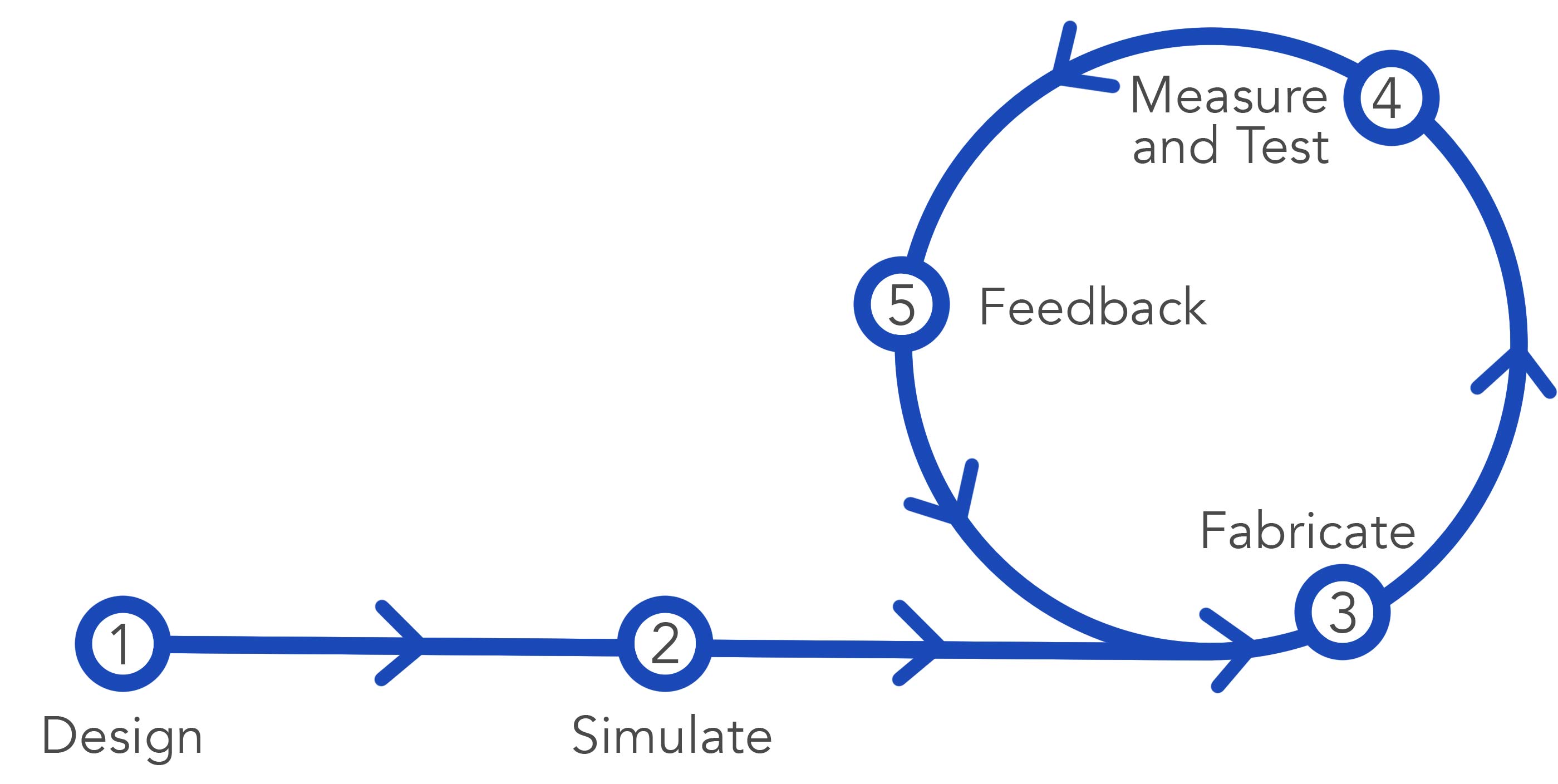
How Manufacturing Data Can Be Used to Improve Waveguide Designs
Once data has been collected, our engineers can use it to understand what is happening during manufacturing and identify opportunities to improve the next waveguide design.
Improve Simulation Accuracy
Our engineers compare simulation predictions with the real-time measurements collected by our automated metrology systems, which inspect waveguides directly on the production line.
Any differences can reveal where simulation models may need improvement.
Identify Design Sensitivities
Custom software and machine learning help our teams analyze large amounts of manufacturing data and uncover patterns that might otherwise be difficult to spot.
For example, our design engineers use agentic coding to develop specialized models that examine how variations in wafer thickness or grating depth affect optical performance. These tools help identify which factors have the greatest impact on meeting performance targets.
Understanding these relationships helps engineers determine which design parameters or manufacturing tolerances may need attention.
Develop More Reliable Designs
With a clearer understanding of what affects performance, our engineers can update simulation models, adjust design parameters, and optimize for robust performance, accounting for known equipment, material, and process constraints.
If a small change in grating depth significantly affects a waveguide’s efficiency, our engineers can explore designs that are less sensitive to that difference.
Updated designs are then manufactured and tested to see whether the changes deliver the expected results. Those measurements provide new insights that can guide the next round of simulations and design improvements.
The Value of a Continuous Feedback Loop
Data becomes even more valuable when design, fabrication, and metrology teams are able to share what they’ve learned.
Our vertical integration capabilities make collaboration easier. We can share data and findings directly, coordinate changes, and respond quickly without relying on multiple external vendors.
This continuous exchange of information helps our teams identify opportunities for improvement, reduce unnecessary revisions, and achieve greater consistency in design and manufacturing.
By building on insights from previous waveguides, we can make more informed decisions about future designs.
Explore our waveguide manufacturing process.