Engineering AR Glasses Prototypes

Creating AR glasses requires engineering decisions that build on one another, from product goals to waveguide design and manufacturing. Success depends on how those pieces work together.

The Vision
Defining the Device
Every successful AR device starts long before the first component is designed. The earliest product decisions establish the foundation for everything that follows. Intended use, operating environment, visual performance, and ergonomic expectations all influence the engineering process. Establishing those requirements early helps teams make informed design decisions, align development priorities, and reduce costly redesigns later.
Understanding Use Cases
Human-Centered Requirements
Comfort, weight distribution, visual quality, and long-term wearability help define engineering priorities from the earliest design stages.
System Constraints
Defining Success
Clear performance targets help align engineering teams around measurable goals such as field-of-view, brightness, efficiency, and battery life.
System Design
Balancing Every Subsystem

With product goals established, engineering teams can begin balancing the technologies that bring the vision to life. AR glasses combine optics, displays, sensing, compute, power, thermal management, audio, and industrial design into a tightly integrated system. Improving one area often influences another, making system-level engineering essential for evaluating tradeoffs before they become larger development challenges.
Optics and Displays
Sensors and Tracking
Power and Thermal
Integration Challenges
Optical Development
Designing the Waveguide
As the system architecture takes shape, waveguide development becomes a defining step in delivering the intended visual experience. Optical modeling, diffraction design, and fabrication planning work together to optimize brightness, efficiency, uniformity, color performance, and field-of-view while preparing designs for manufacturing-ready processes with greater confidence.
Optical Modeling
Grating Optimization
Performance Targets
Design Conversion
Prototype Development
Testing Before Production

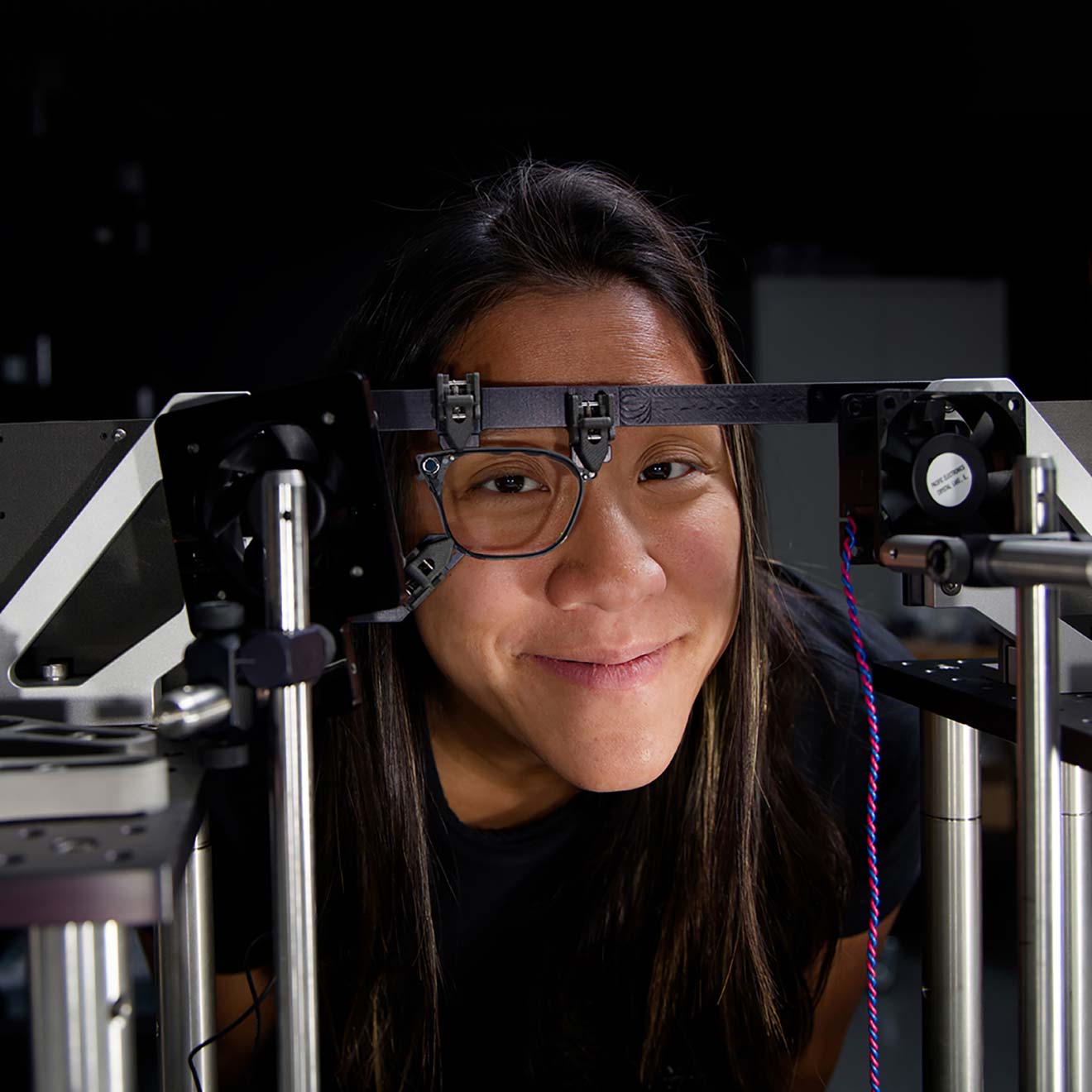
Validated designs must ultimately prove themselves in hardware. Prototypes transform engineering concepts into working systems that can be tested, evaluated, and refined. Iterative development helps identify challenges early, validate design assumptions, and improve performance before manufacturing-ready components are produced, reducing uncertainty before larger investments are made.
Reference Designs
Rapid Iteration
Successive prototype builds allow engineering teams to evaluate design changes and refine system performance efficiently.
Performance Validation
Design Refinement
Manufacturing Ready
From Design to Precision
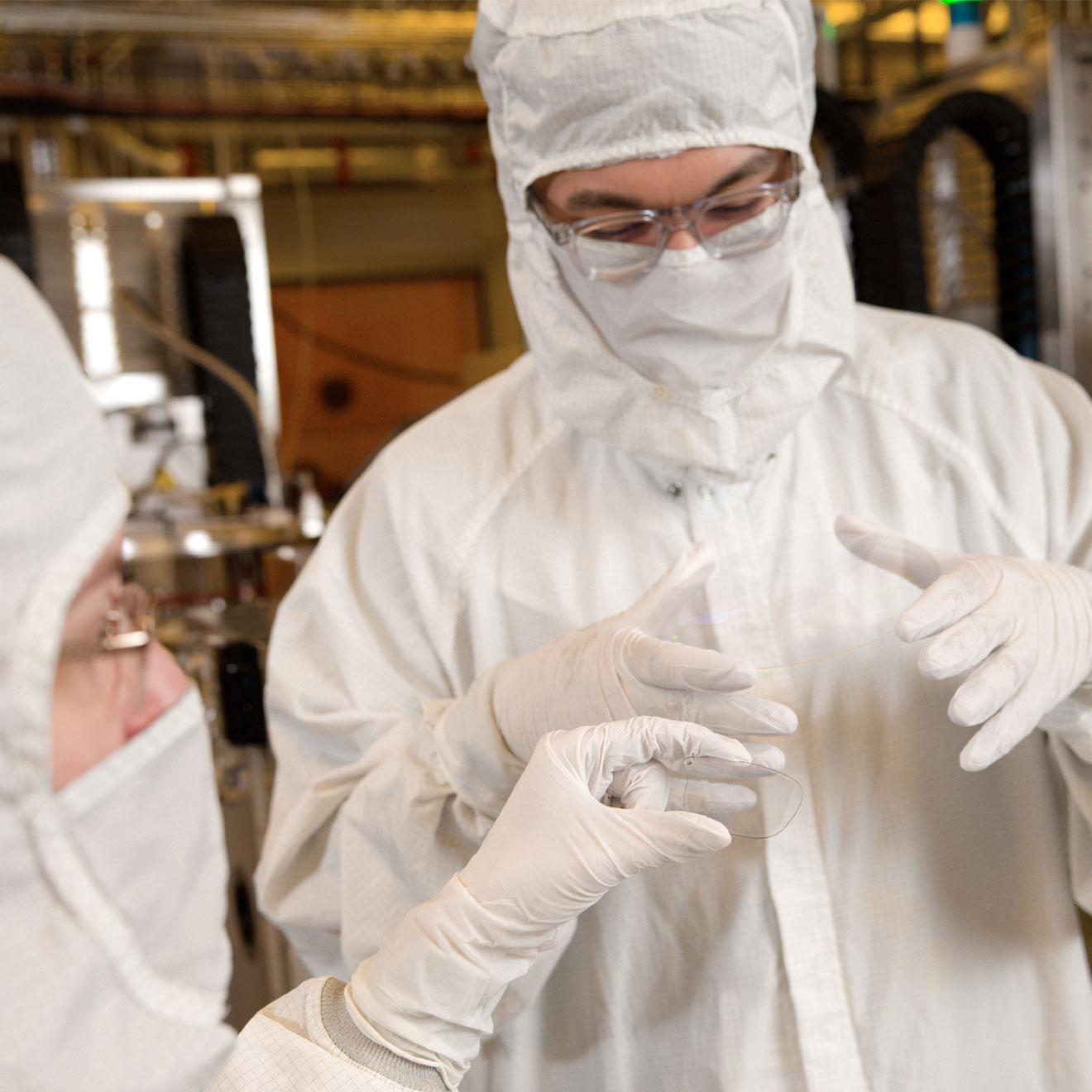
With the design validated, the focus shifts to manufacturing. Transforming an optical design into a manufacturing-ready waveguide requires precision at every stage. Master fabrication, lithography, etching, coatings, metrology, and quality control work together to preserve the performance established during optical design throughout manufacturing.
Master Fabrication
Precision Patterning
Advanced lithography transfers nanoscale optical structures with exceptional accuracy and repeatability.
Optical Quality
Process Control
Final Integration
Preparing for Assembly

The final stage brings every previous decision together. Precision components must work together as a complete system. Mechanical integration, optical alignment, reliability testing, and assembly planning help ensure diffractive waveguides perform as intended within finished AR glasses, supporting a smoother path from development to deployment.
Mechanical Integration
Precision Alignment
Durability Testing
Manufacturing Workflows

