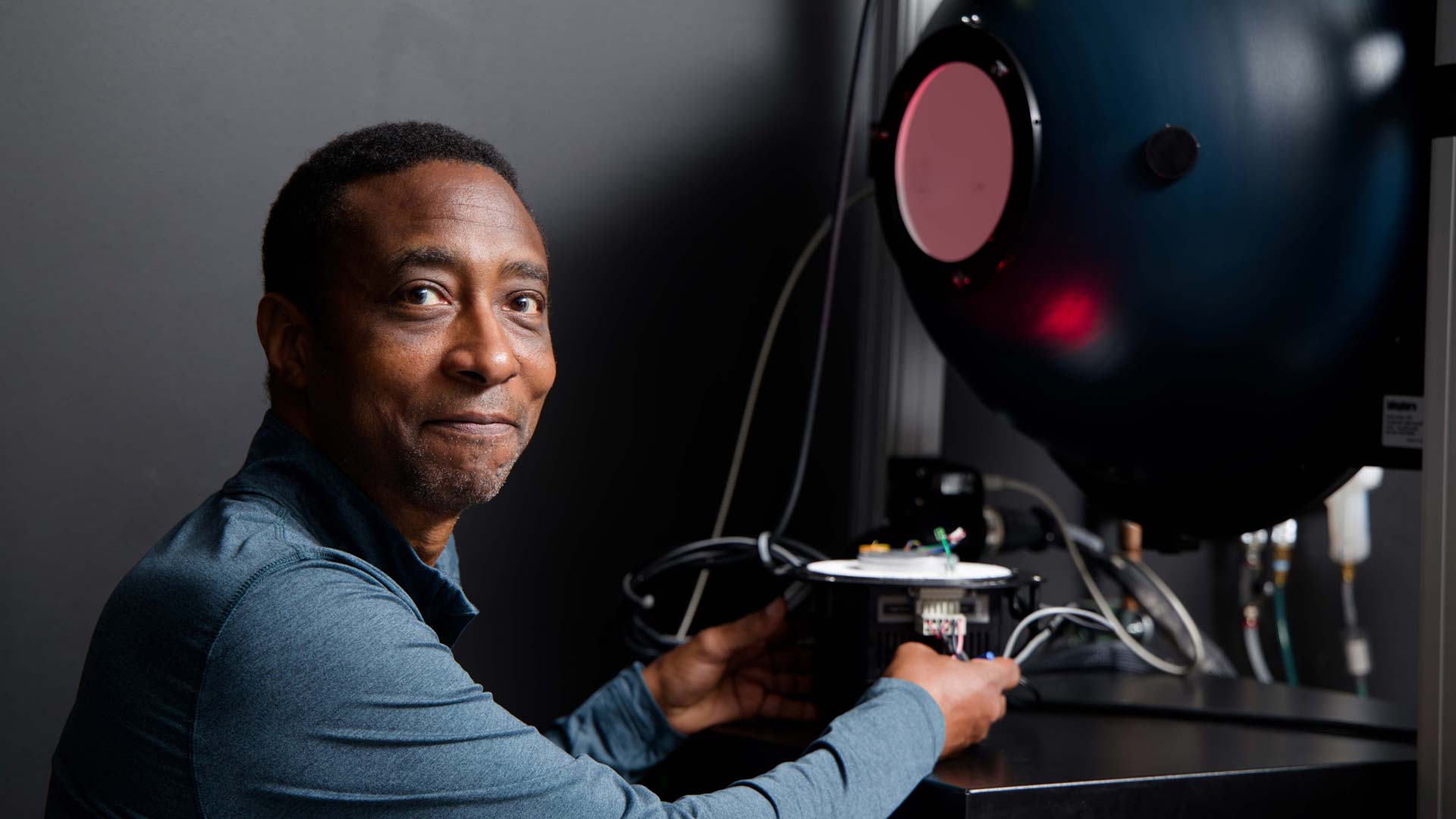
Metrology is the science of measurement. In augmented reality (AR) waveguide manufacturing, metrology tools help verify waveguide specifications, identify defects, and confirm that waveguides operate as intended.
Why Metrology Matters
Every measurement tells a story about how a waveguide will perform long before it’s ever put into a final glasses design. Metrology gives engineers the ability to predict and improve optical performance using objective data rather than trial and error.
Early detection of waveguide variations and defects saves time, materials, and cost. Metrology data provides engineers and manufacturers with the information they need to maintain consistent performance throughout development and production.
Because waveguides contain microscopic optical structures, precise measurements are crucial. Flaws or deviations can change how light moves through the waveguide, affecting image quality and making repeatable manufacturing more difficult.
Our Metrology Approach
We use both proprietary metrology machines and industry-standard tools. Our proprietary systems measure waveguides against rigorous internal specifications and optical key performance indicators, supplying our teams with detailed insights that inform design recommendations and engineering choices.
We also recognize that our partners rely on industry-standard measurements they can compare to established benchmarks. To support this, we use industry-standard metrology alongside our own systems. This approach provides reliable and comparable data that helps partners evaluate performance with greater confidence.
Tools that Measure What Matters
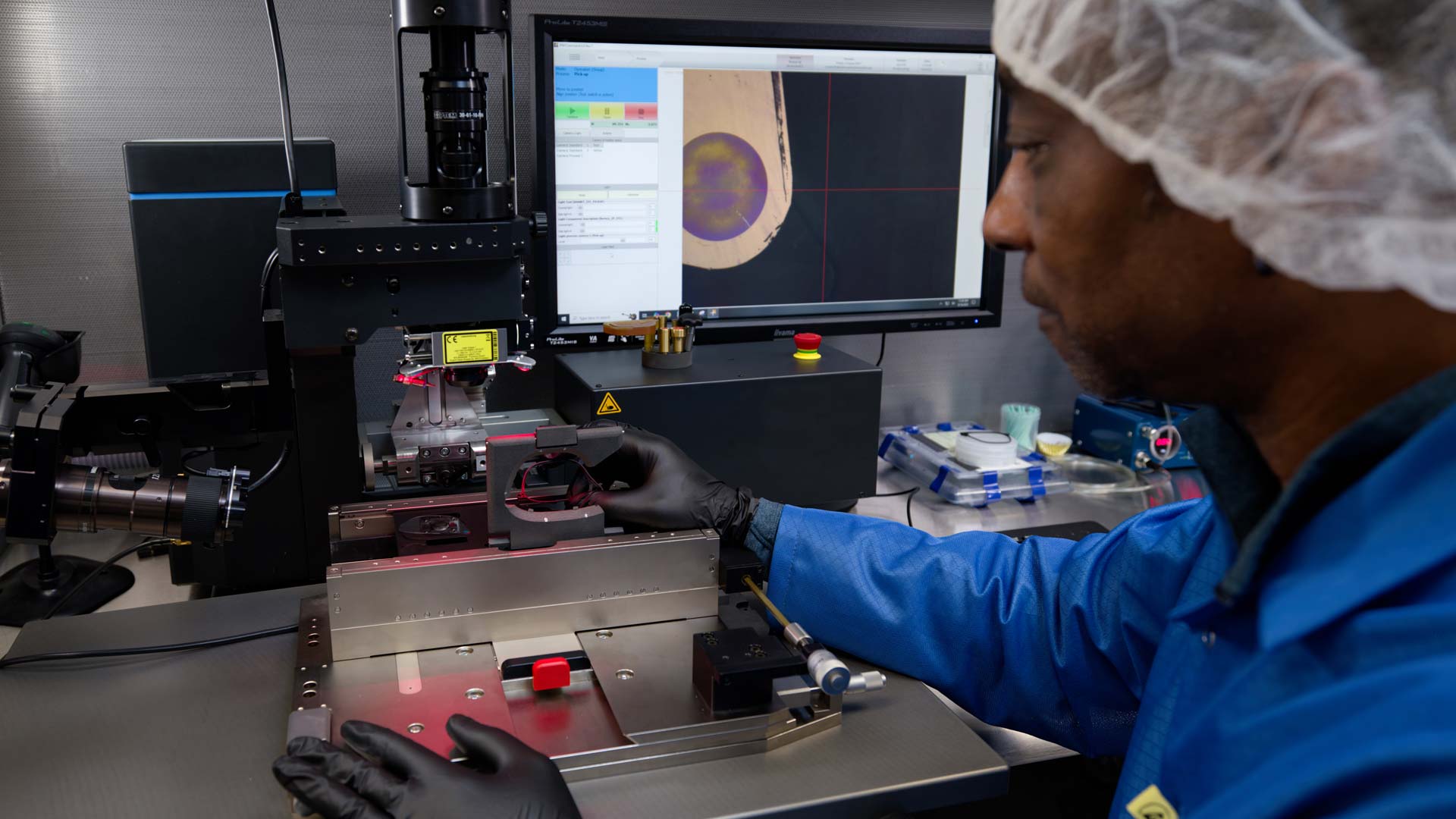
Different tools measure different characteristics, helping to assess each waveguide against stringent design and manufacturing specifications. When used together, these tools offer a more complete understanding of optical performance while supporting process optimization and yield improvement.
Surface measurement tools: Is the physical structure correct?
Critical features like substrate flatness and thickness are measured to confirm that each wafer meets specifications before it advances to subsequent manufacturing stages.
Optical measurement tools: Will the optics perform as expected?
These tools create a holistic view of eyepiece performance by measuring attributes like brightness, contrast, sharpness, and uniformity to better predict the visual experience users will ultimately see.
Defect inspection tools: Is anything damaged or contaminated?
Inspection systems identify particles, scratches, inclusions, and other imperfections before they affect waveguide quality, helping engineers address potential issues before additional manufacturing steps add time and cost.
Applying Metrology Data
Every metrology system generates insightful data. The value comes from the ability to turn the information into meaningful engineering and manufacturing decisions, which requires advanced technical knowledge.
Ranking optical parameters involves identifying which measurements have the greatest influence on waveguide performance and understanding the tradeoffs that come with each. This level of judgment comes from extensive waveguide engineering and testing.
Translating data into the visual experience requires connecting metrology results with what users see through the waveguide. This expertise helps predict overall display quality and guides decisions that improve future designs and manufacturing processes.
Enabling Production-Ready AR Displays
Metrology helps bridge the gap between research, design, and manufacturing. It gives our teams objective and precise data to validate new processes before introducing them to the factory. As production scales, metrology helps maintain repeatability and a high level of optical performance across every waveguide.
Continued advances in AR optics will require even tighter tolerances, making metrology an increasingly important part of waveguide development. The ability to measure, understand, and act on increasingly precise data will remain fundamental to delivering high-performance AR displays.
Learn more about our research and development process.