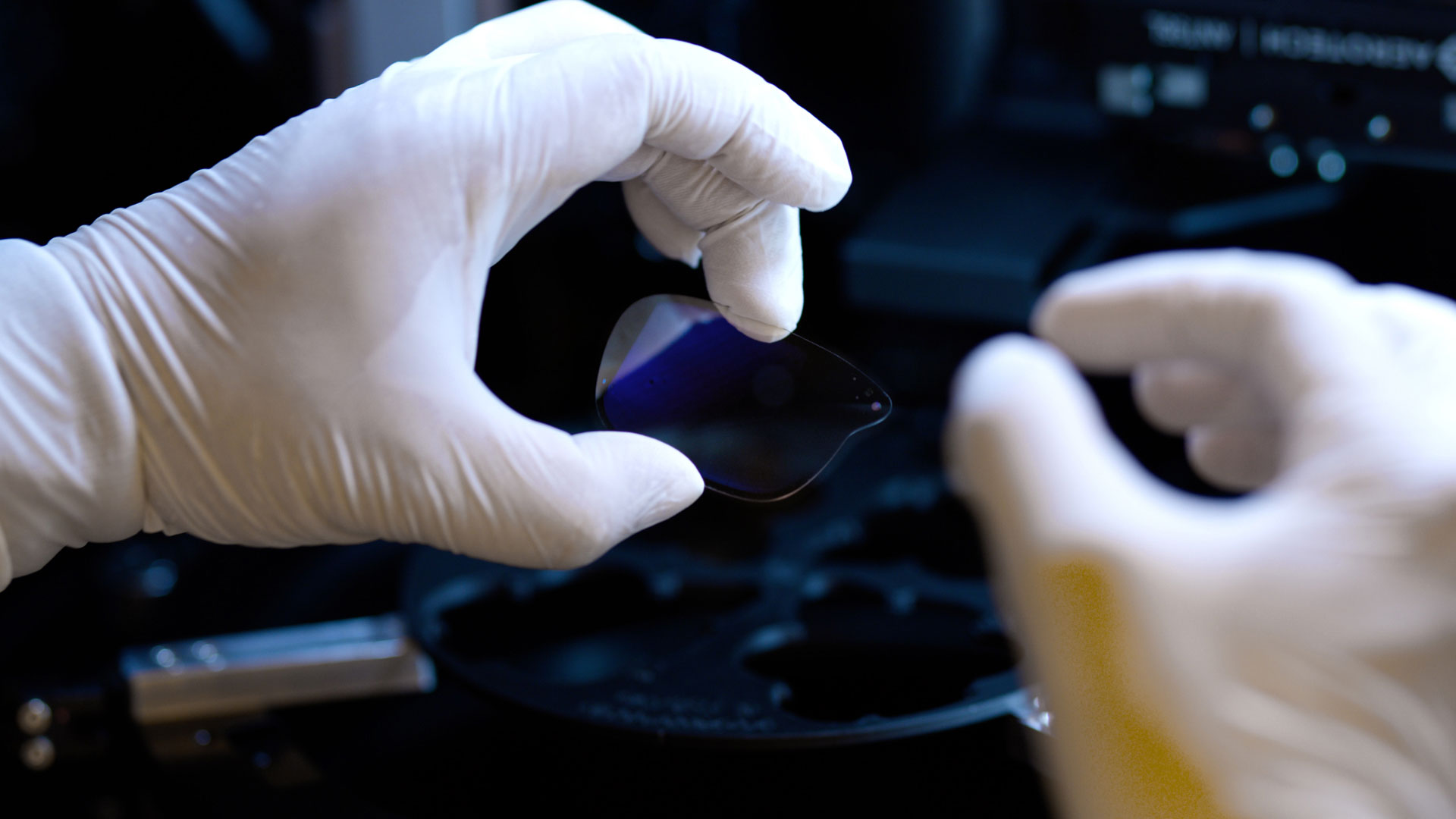
From the outside, augmented reality (AR) glasses can appear deceptively simple. A lightweight frame, transparent waveguides, and compact electronics tucked neatly into the temples create the illusion of an everyday pair of glasses.
Behind that simplicity is an optical system built to extraordinarily tight tolerances. Every component must work together to deliver a clear, comfortable image while remaining lightweight enough for everyday wear.
That challenge extends well beyond manufacturing individual components. A waveguide may be fabricated with exceptional precision, but it still needs to be integrated into a wearable device that will experience assembly, handling, temperature changes, and years of use. Preserving that precision throughout the process requires careful engineering, thoughtful material selection, and a deep understanding of how optical and mechanical systems interact.
Every stage of integration has the potential to influence optical performance. Materials, assembly methods, and mechanical design all contribute to how a waveguide performs over time, making precision something that must be preserved from manufacturing through final integration.
When Microns Matter
Precision in augmented reality is often measured in microns, or millionths of a meter. At that scale, changes that would be invisible elsewhere can noticeably affect image quality inside AR glasses.
Small shifts in alignment can influence focus, image placement, and visual comfort. Even tiny variations between optical components can change how digital content appears to the user. Maintaining consistent performance means engineers must account for these variables throughout the entire optical assembly process.
This level of precision also changes how engineers approach manufacturing. Every step in the assembly process must preserve the optical performance established during waveguide fabrication.
That includes anticipating how components, fixtures, and even bonding materials behave as the assembly comes together.
Engineering Materials for Performance
It's easy to think of adhesives as little more than glue, but in advanced AR systems they play a much more sophisticated role.
Materials used during assembly help secure delicate optical components, but they also contribute to the performance of the finished device. Specialized perimeter bonding materials can help suppress stray light around the edges of a waveguide, complementing edge black treatments that improve image quality. The way those materials flow during assembly must be carefully controlled so they spread exactly where they're needed without reaching nearby optical surfaces.
Engineers also characterize how these materials behave throughout the assembly process. They evaluate how materials flow, cure, and maintain their shape after assembly because each of those characteristics can influence long-term optical performance. Even predictable material changes during curing are factored into precision alignment processes so components settle into their intended positions.
These details may seem small individually, but together they help preserve the optical performance users expect from an advanced AR display.
Built to Preserve Precision
Achieving precise alignment during assembly is only part of the challenge.
Once integrated into a wearable device, optical assemblies must continue performing through everyday use. Frames flex as they're worn. Devices experience temperature changes during operation and storage. Accidental bumps and drops introduce forces that weren't present on the manufacturing floor.
Designing for these conditions requires understanding how materials and assemblies respond under stress. Reliability testing and simulation allow engineers to evaluate how optical systems behave throughout the product development process, helping identify potential issues before they appear in physical hardware.
Long-term performance depends on designing assemblies that maintain precise optical alignment despite the demands of everyday use. Preserving that performance requires engineers to consider not only how components are assembled, but how they'll behave months and years later.
Experience Shapes Every Decision
Protecting optical precision draws on expertise from multiple engineering disciplines.
Optical engineers, mechanical engineers, materials specialists, and reliability teams all contribute to the design, assembly, and validation of the finished optical system. Years of product development also create a deeper understanding of how components interact, allowing engineers to make informed decisions long before hardware reaches the prototype stage.
That experience extends beyond selecting materials or refining assembly processes. It includes understanding how those decisions influence image quality, manufacturability, long-term reliability, and ultimately the experience delivered to the end user.
For partners developing next-generation AR devices, that accumulated knowledge helps reduce technical risk, accelerate development, and build confidence that critical design decisions will continue supporting optical performance throughout the life of the device.
Learn how our waveguide manufacturing and AR prototyping expertise can help move your next device forward.