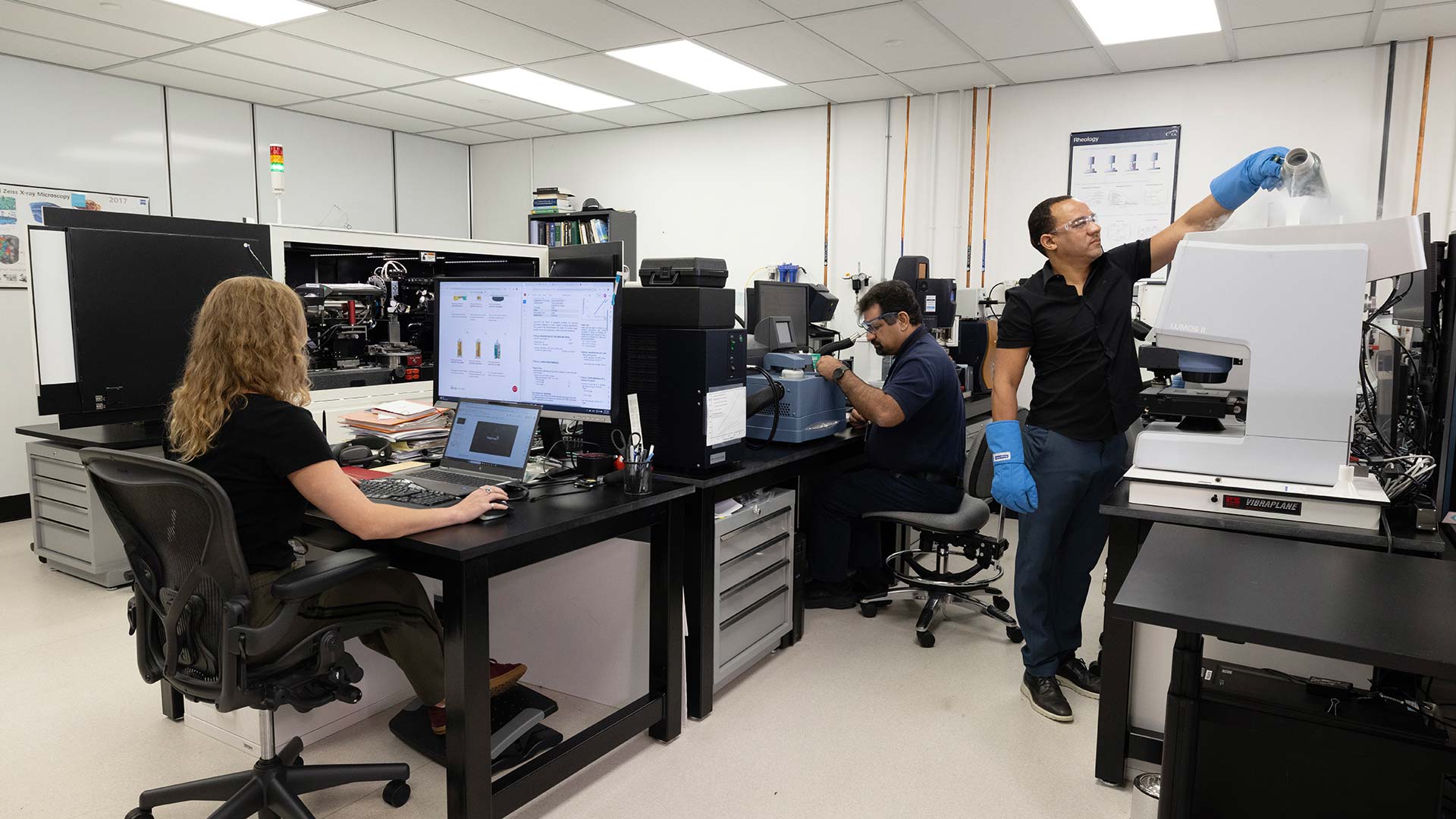
Materials are the foundation of every design. They determine an object's weight, durability, functionality, and even how it can be manufactured.
The same is true for AR waveguides. The materials that engineers choose have the ability to influence everything from the brightness of the virtual image to the weight of the glasses themselves. Understanding these materials, and finding ways to improve them, is where materials science comes in.
What is Materials Science?
At its core, materials science is about understanding why different materials, like high-index glass, silicon carbide, and lithium niobate, behave the way they do.
In augmented reality (AR) waveguides, materials science helps researchers, designers, and engineers identify optical materials that boost display metrics, performance, and manufacturability. These insights help guide the development of future waveguide designs.
What Questions Does Materials Science Seek to Answer?
Materials development is driven by questions about how materials behave and where they can be improved.
Which materials transmit the most light? Which materials enable thinner waveguides and reduce their weight? Are there materials that improve heat and scratch resistance? How can a material support consistent manufacturing outputs?
Exploring questions like these helps uncover new materials and refine existing ones, expanding what future waveguide designs can achieve.
Why Materials Science Matters
Many of AR’s biggest challenges begin with the material selection. Every waveguide material offers a unique combination of strengths and tradeoffs, making each well-suited for some applications and less suited for others. For example, glass provides excellent optical quality but adds weight, while polymers reduce weight but can be more susceptible to deformation during production.
Materials science identifies the strengths and shortcomings of different materials, then our engineers explore how to apply those materials to our waveguide designs and prototypes. With a deep understanding of those tradeoffs, our teams can make more informed decisions that lead to lighter, more efficient, and easier-to-manufacture waveguides for our partners.
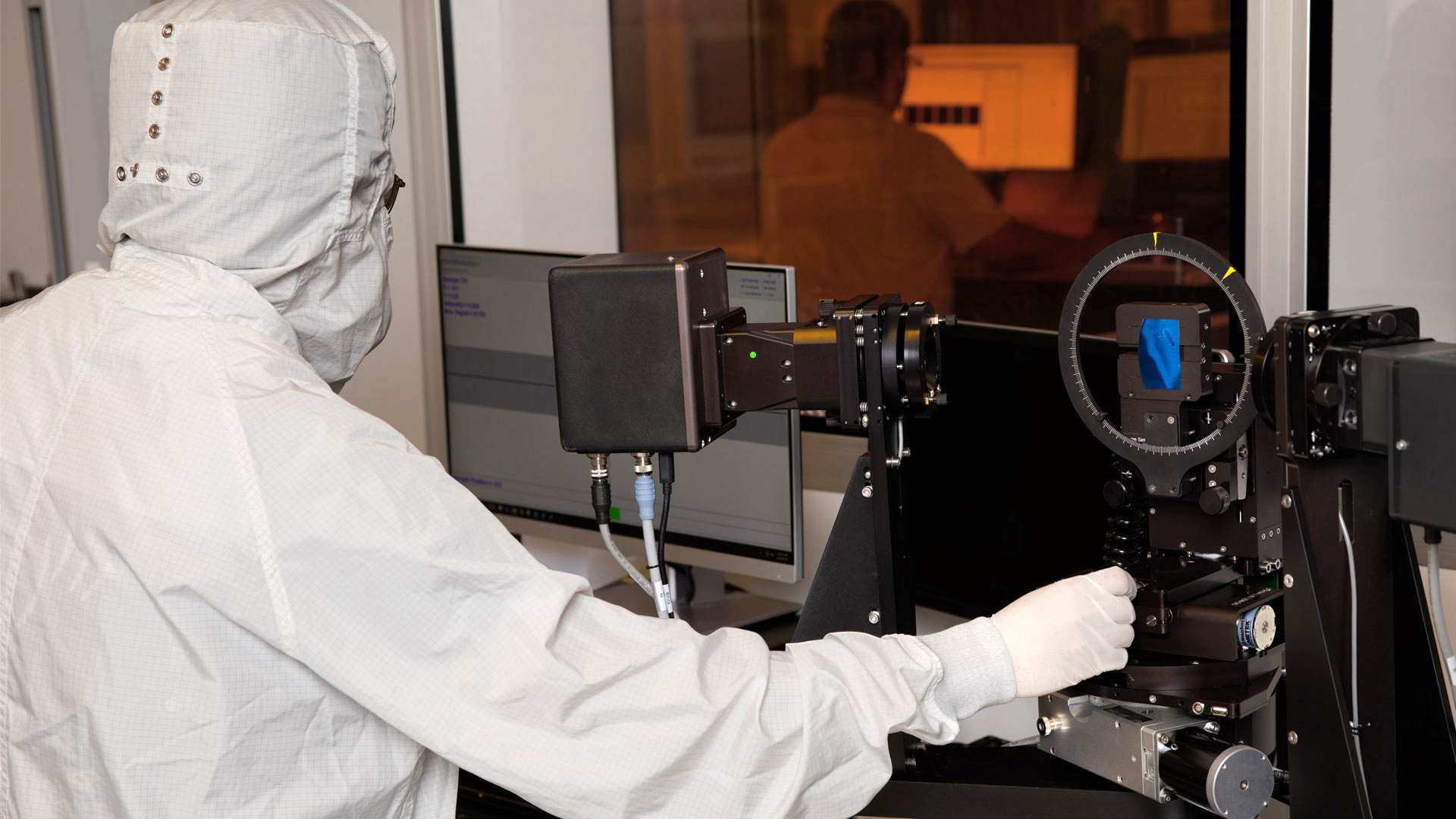
Materials Science at Magic Leap
Developing new waveguide materials is an iterative process that combines material research, design, and testing. Our materials, simulation, design, architecture, and reliability teams work together from the earliest stages to design high-quality waveguides. They evaluate materials, solve technical challenges, refine designs, and improve the chances of success before anything moves toward production.
Material Development
The first step is identifying the materials that can meet our partners’ optical, mechanical, and manufacturing requirements. Our teams evaluate each material’s strengths and limitations to determine how those characteristics influence the overall waveguide design.
Failure Analysis
After the first prototypes are built and have gone through reliability testing, the teams investigate performance issues to understand what happened, identify the root cause, test potential solutions, and refine the design. Each round of in-house testing and metrology helps improve the materials in the final waveguide.
How Our Process Benefits Partners
Unlike companies that rely on third-party suppliers for portions of the development process, our materials science, design, and engineering teams work together on site. Instead of sending materials, prototypes, and test data between different organizations, our vertically integrated teams collaborate directly throughout development.
This reduces delays, simplifies communication, and allows us to provide partners with faster feedback and more informed design decisions.
Learn how Waveguide Materials and Next-Generation Architecture Research are paving the way for what future AR glasses can become.