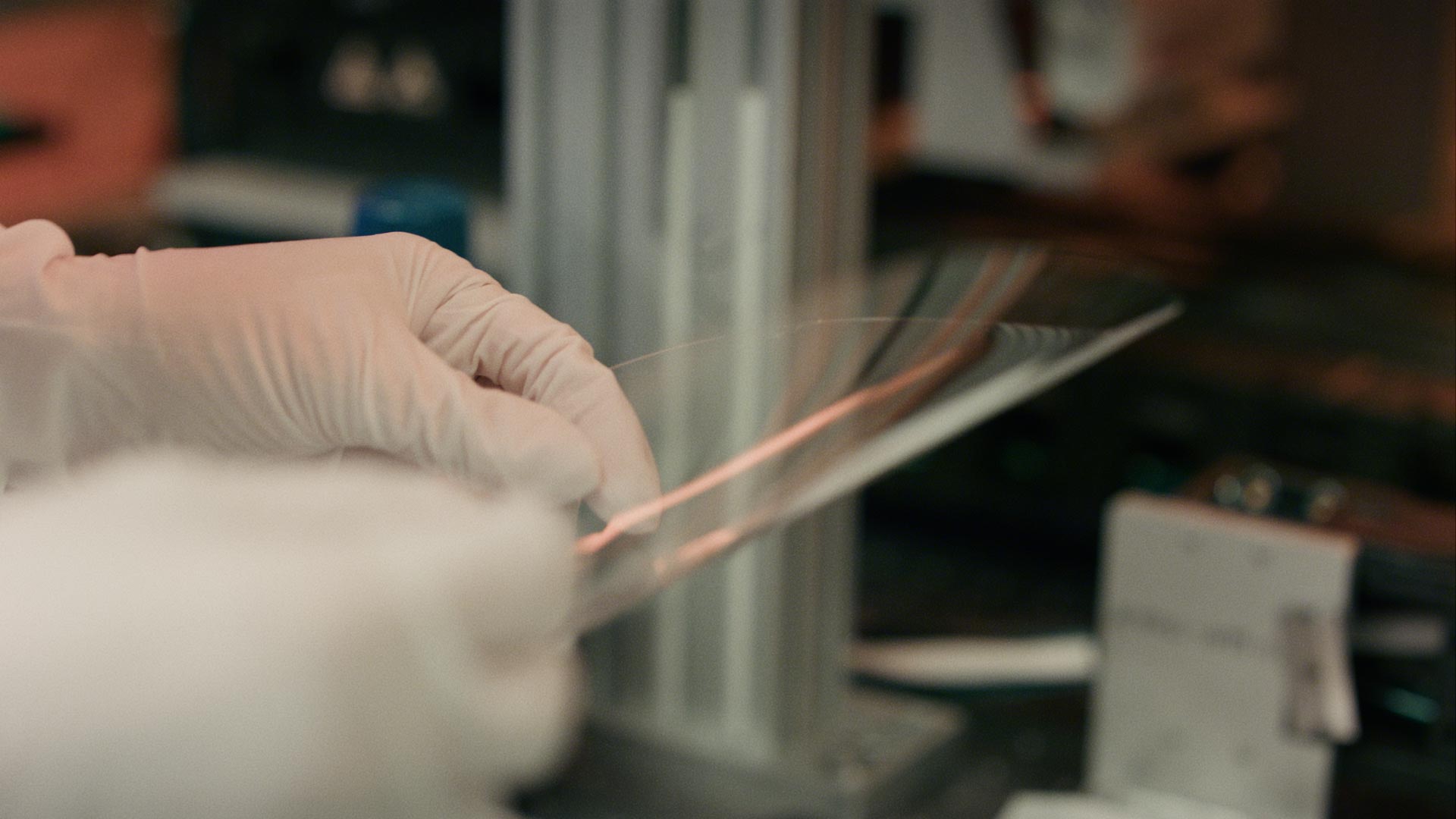
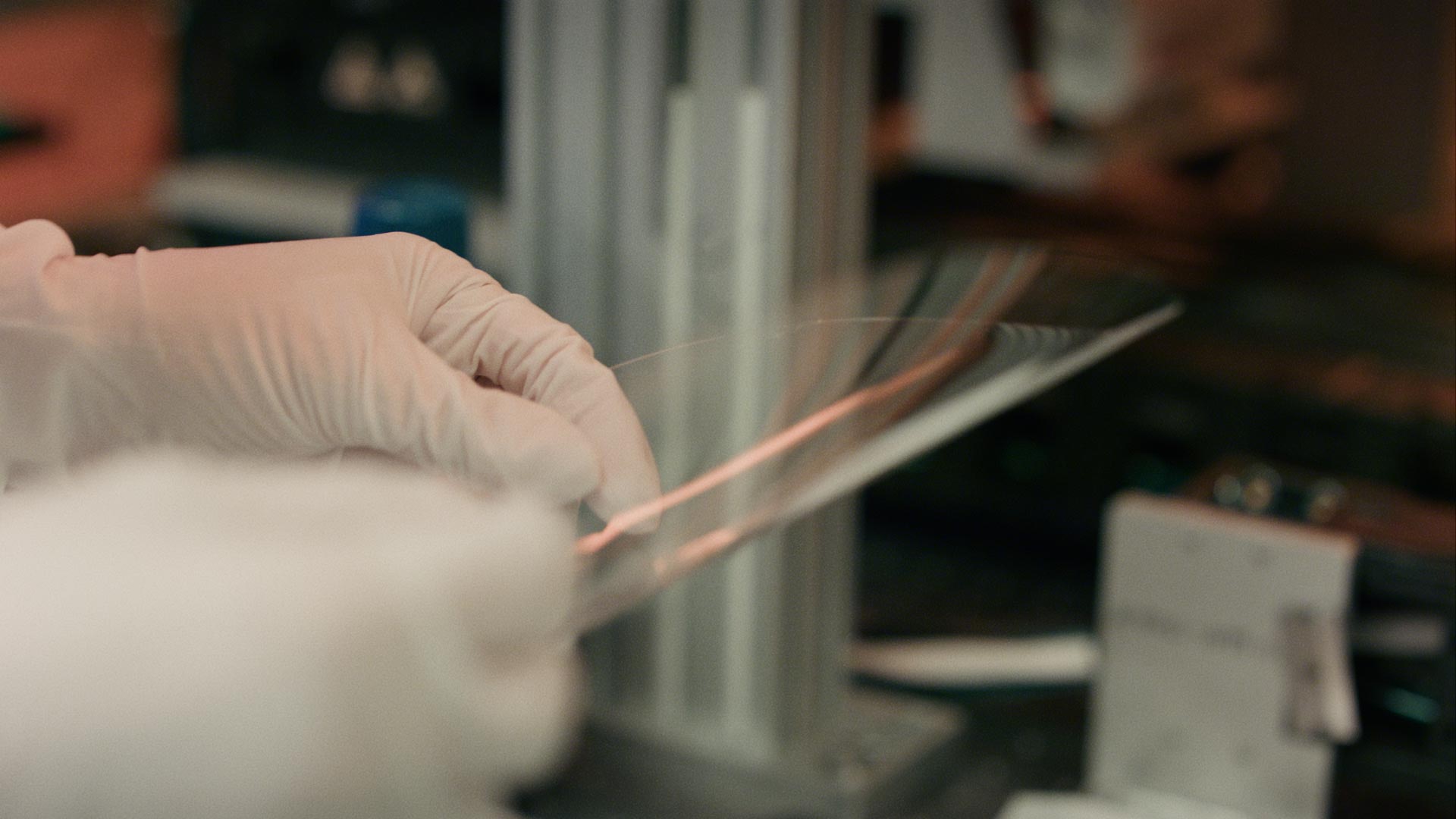
Progress in augmented reality (AR) waveguides is rarely a linear path, requiring repeated testing, incremental gains, and careful refinement. Research and development is both a necessary and expected part of the process, especially when working within tight optical and manufacturing constraints.
Why Research and Development Matters
Innovation requires technical rigor and the ability to move quickly. Our approach to research and development combines exploration and execution with market intelligence informed by partner and industry needs.
Every waveguide design evolves through testing, helping us better understand how concepts behave in practice. Outcomes are not treated as either a “success” or “failure.” Instead, each round often reveals limitations or edge cases that are not obvious in early models or simulations.
Optical performance must also remain consistent in production environments. After prototyping is complete, different sets of simulations are used to analyze high-volume production data to verify that waveguide quality remains consistent during manufacturing.
As designs progress through the research and development process, our teams gain insight into how specific changes affect things like image sharpness, contrast, efficiency, and color uniformity. They are then able to strategically develop and iterate, moving designs closer to consistent manufacturability.
Behind the Scenes of Our Research and Development
The Team
Our interdisciplinary group of engineers and scientists come from multiple teams, including waveguide design, software, lithography, materials, tool design systems, optical metrology, and optical eyepiece componentry.
This range of specialized expertise allows us to approach challenges from a range of perspectives. Because waveguides and other AR components are highly interconnected, a decision in one area can influence performance, manufacturability, or outcomes elsewhere in the system.
The Process
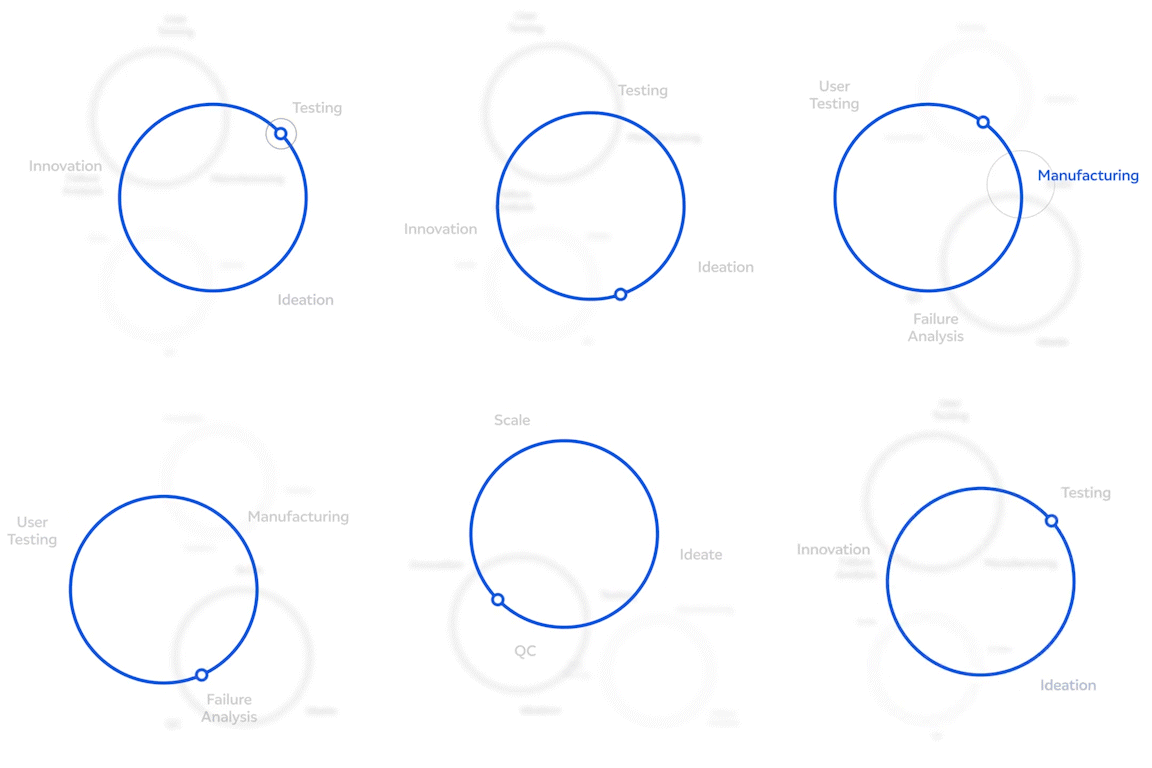
Waveguide designs begin with input from our Research and Development team, with the expectation that concepts will evolve throughout the process.
Next, masters are created through internal and external collaboration, followed by early prototypes that allow teams to analyze performance and fine-tune measurements through iterative testing.
From there, the work becomes a continuous cycle of evaluation and adjustment. Integration engineers work closely with process and optical testing teams to adjust parameters based on what the data shows. Some adjustments improve performance, while others introduce new challenges, but each result adds insight and helps define the path forward. Over time, this feedback-driven process reduces defects, improves consistency, and optimizes the materials, tools, and methods used to build production-ready waveguides.
From Waveguide Exploration to Execution
Research and development requires both the imagination to explore new ideas and the expertise to turn them into high-performing waveguides.
Grounded in persistence, patience, technical expertise, and market understanding, our research and development approach focuses on pushing waveguide designs and technology beyond the lab and closer to everyday use. Strategic experimentation and testing remain central to that progress, with each phase of development helping to increase repeatability and performance to move AR glasses technology forward.